


depofly
-
Posts
312 -
Joined
-
Last visited
Everything posted by depofly
-
Greetings, gentlemen. I am experiencing an issue with my 2006 CLS500. Yesterday, while arriving at work, I turned off my vehicle and its lights. As I exited the car, I saw that the tail light located at the bottom right side was not turning off. Upon reentering the vehicle, I proceeded to start the ignition. Subsequently, a warning appeared on the dashboard indicating a "Display Malfunction" and advising me to seek professional assistance. I toggled the light switch, but the light remained on. To prevent my battery from dying, I removed the carpet and disconnected the right tail light. During the night, I saw intermittent flashing and blinking of the left bottom tail light. After finishing my job in the morning, I attempted to use the fob to open the vehicle, but unfortunately, the fob was malfunctioning. Upon pressing the buttons, the little red light on the fob illuminates, nevertheless the vehicle remains unresponsive. Fortunately, I had the foresight to leave it unlocked. Subsequently, I attempted to access the trunk by pressing the inside button, using the fob, and even by manually lifting the handle upwards, but regrettably, it remained unresponsive. To open the trunk, I had to remove the actual key from the fob, place it into the keyhole, and then pull the latch. Do you have any insights about the current situation? Kindly inform me. In addition, I would like to inform you that the blinkers are now functioning properly.
-
your air conditioning system is experiencing low refrigerant levels and need a recharge. The reason for its low fuel level is a separate issue, however you would need an expert to provide an explanation. If there is a hole, it is quite probable that a new condenser will be required. Alternatively, if the system has been seldom used, it is possible that the refrigerant has gradually seeped out, resulting in low gas levels.
-
In which state are you now located? I continue to use them in the state of Washington. Everything seems to be in satisfactory condition. I had to relocate from Pemco around 7 years ago for the same reason. They expressed their desire to discontinue insuring luxury vehicles. Throughout a span of 15 years, I have never had the need to file a claim with them.
-
Is CarPlay or Auto compatible with your present system or can it be installed? If you are able to do so, it would likely be the most advantageous allocation of your funds (and enhance the value for resale if executed correctly). Inquire about Command Line
-
Even little alterations might cause significant disruptions in the engineering, resulting in bothersome rattles and whistles. Well done for persevering. I hope the issue is resolved.
-
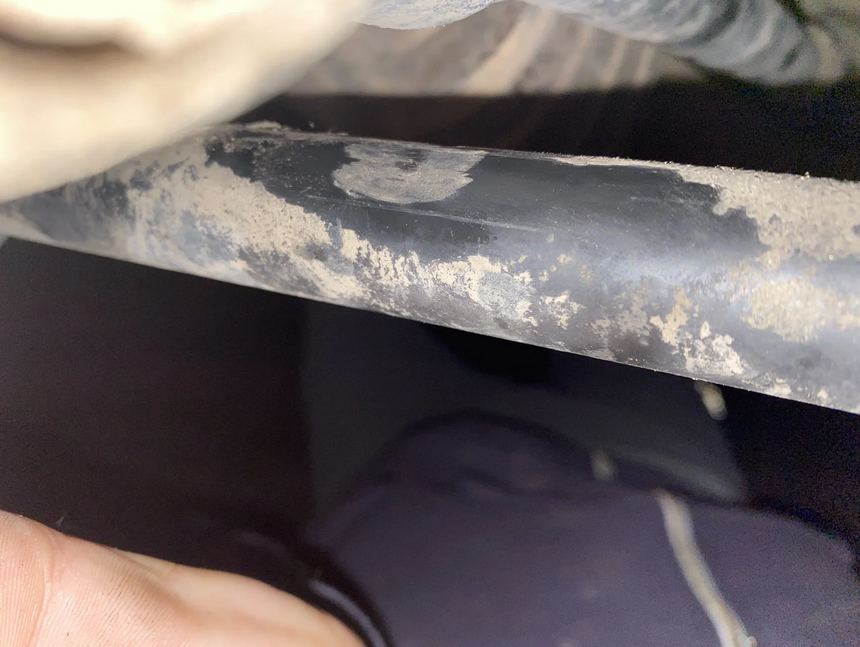
I would recommend inspecting the gap between the front drive shaft and the lower bar. If the truck was raised, the gap between the shaft and the support bar is very narrow. This results in a situation where, when releasing the accelerator, the front end of the truck lowers by a quarter inch, causing friction. There will be a depression on the support bar where the drive shaft is making contact. I had to lower my support bar by about one inch. I propose a wager in which the stakes are a beer. The picture shows the front-to-rear view of the vehicle, with the driveshaft visible on top and the crossmember marked from rubbing. Apologies for the poor quality. This is the only picture I was able to locate.

-
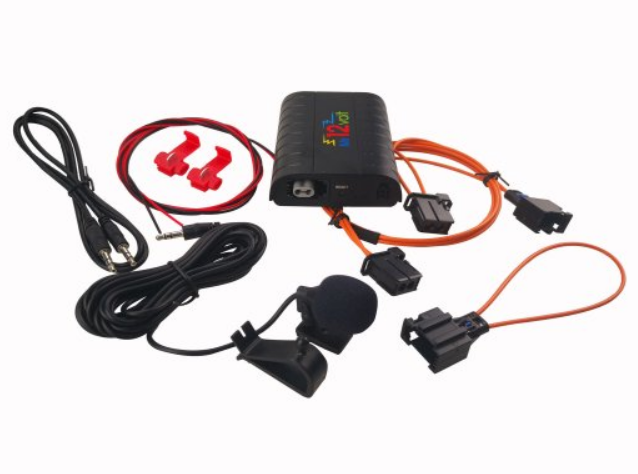
Due to the absence of an auxiliary plug in my W211, I made the decision to purchase the Mr12Volt Bluetooth USB AUX converter from eBay. I have installed it and the audio quality is far superior to that of the FM transmitter that relied on the car's cigarette lighter for power. The 6 disc CD changer has been concealed, preserving the original aesthetic. This will enable both telephony and audio streaming.
-
Frame fractures may occur, although they are quite uncommon. A total of 13,500 R8s were produced by Audi before they strengthened the frame. It is estimated that less than 100 vehicles had frame cracks, which accounts for less than 1% of the total. The majority (but not all) of autos with frame cracks were involved in accidents. While this topic often induces terror in many individuals, I would like to share my opinions on the matter: Prior to purchasing, ensure that the frame is free from any cracks. Subsequently, insurance will provide coverage for the automobile as a complete loss in the event of frame cracking. Several individuals have spent a significant amount of money (over $4,000) to strengthen the frame, but I strongly advise against doing so. While it is improbable that your frame will develop cracks, if you reinforce it and it subsequently cracks or if you are involved in an accident where you are at fault, your insurance company (whether it is your own or the opposing party's) may refuse to provide coverage or hold you responsible for modifying an original equipment manufacturer (OEM) component, even if the modification was carried out by an authorised Audi repair centre. Strengthening the frame necessitates the use of aluminium welding, which naturally carries a significant risk of weakening the surrounding aluminium. To avoid any financial repercussions in case of a crack, it is advisable to make sure that your automobile is adequately insured, rather than having to pay for a repair that may be disputed by your insurance company later on. If you anticipate experiencing insomnia due to this matter, I would recommend only purchasing a vehicle manufactured in 2011 or later. I trust that this information is beneficial.
-
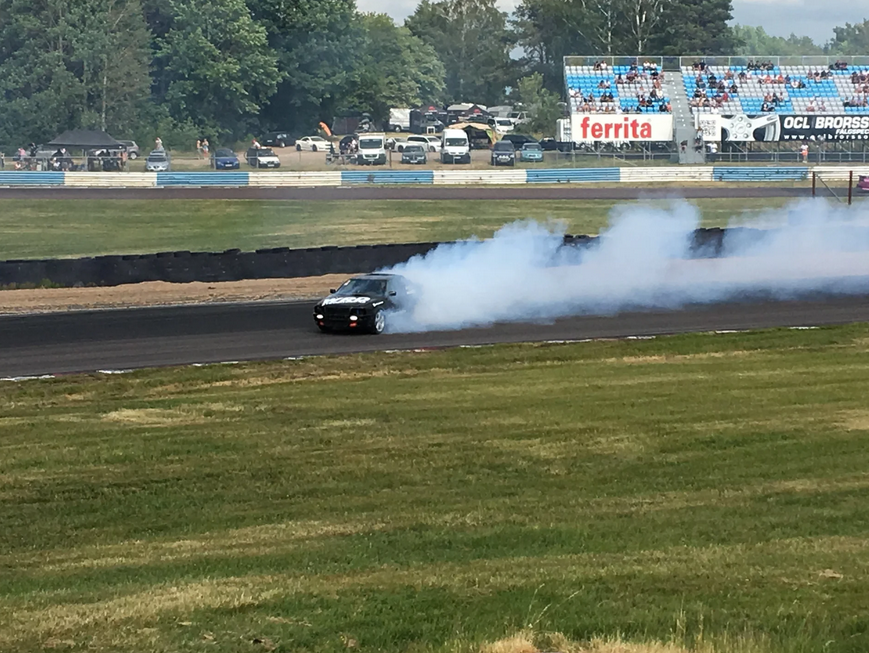
Disable traction control, do a Scandi flip, apply maximum power, and enjoy yourself! The Scandinavian flick technique is mostly used to redistribute weight in order to intentionally break traction and initiate oversteer in a vehicle. You may search on Google or YouTube to see this technique in action. It is crucial for every all-wheel drive (AWD) vehicle... Avoid getting close to curbs or poles, particularly considering your lack of expertise. It would be optimal to engage in this activity when it is raining in order to acquire knowledge.
-
I had a new spring installed by a garage for a fee of £10. The installation process was straightforward and the vehicle is now at the correct height. Spring compressors designed for do-it-yourself usage may not be able to effectively compress this particular spring. To ensure safety and prevent potential injuries, it is advisable to take the spring to a professional garage and use a suitable floor mount unit specifically designed for this purpose.Mercedes refused to proceed until I scheduled it as a formal task. I opted to utilise the existing shock absorber as it seemed to be in good visual and tactile condition. If I had Mercedes handle the task, they would have replaced both shocks and performed the work on both sides, resulting in an invoice amounting to £1,000 without a doubt. For your information, the pattern on my spring consisted of three yellow stripes and one green stripe.
-
I purchased a replacement from Mercedes since the lower coil had broken off. The shocks seem to be in good condition, as do the rubber gator and bump stop. I am just doing one since I currently have limited financial resources. The cost is £76, which is rather affordable. The previous one was easily removed.
-
That seems convenient. If they provide the same service in Grangemouth, I could drive there. I will inquire about it. Thank you much for the guidance.
-
Are you referring to genuine Mercedes parts? The user's text consists of three currency symbols (£££).
-
I discovered a similar discussion where it is advised to simultaneously replace both front springs. Which springs are the most suitable to fulfil the original equipment manufacturer (OEM) specifications?
-
Does it have coil springs in the front and pneumatic suspension in the rear? Is it considered typical?
-
I anticipated this, so it comes as no surprise. The front near side of the vehicle has had a sagging issue and does not elevate when the engine is turned on. This problem occurred while driving. After completing a 900-mile round journey, I parked the vehicle and saw that it had experienced sagging. Do you have any suggestions on the first search location? Attempted to upload a picture, but encountered an issue due to the file's excessive size. (photograph taken using a mobile phone) Is the rear suspension equipped with an air suspension system while the front suspension consists of ordinary springs? Considering that the vehicle is completely original, is it possible that this is the configuration?
-
This event was quite remarkable - thank you for sharing it with this community.
-
The report is quite intriguing, commendable. I own a 2017 W222 S350D, and it is causing me to contemplate the potential future that lies ahead. How much of the expenses were allocated towards enhancing the property to meet our highest standards from the beginning of your ownership, as opposed to tasks that were required at a later stage?
-
What is the solution?
-
While I favour BC Forged, both options are well regarded.
-
No, I used to smoke heavily when I had my R8's and would often smoke inside them. However, I ultimately switched to using an electronic cigarette when in the car. I previously had other convertible sports cars, such as spiders and cabs, before upgrading to R8's. One downside of smoking with the top down is that it creates a significant mess by scattering ash throughout the inside of the vehicle.
-
In order to get valuable advice from a significant number of individuals, it is imperative that you do more investigation. Acquiring a fundamental understanding of the platform and its many categories would enable a wider range of individuals to provide you with more precise advice.
-
Being in a cast is never a pleasant experience, as it makes you understand the immense use of a thumb. Hopefully, surgical intervention will not be necessary. Fingers crossed. 🤞
-
They are being distributed simultaneously now. Mazda attributes the issue to supply constraints, however I have doubts because to their significant collaboration with Bridgestone on the CX60. I would not choose a Toyo tyre on a bigger vehicle, although many people are satisfied with them.
-
The Pirelli Scorpion All Season tyres with Noise Cancellation that I first favoured are available in the CX60 size, which is essentially designed for F-Pace/Range Rover specifications. Someone in another group said that they installed them over the Bridgestones and noticed a significant improvement in comfort and reduction in road noise. Despite having an XL tyre. I believe that is the one I will ultimately choose.